Papal Conclave Venue
Learn how the Sistine Chapel functions as the sealed venue for papal elections, where centuries of ritual, secrecy, and symbolism shape one of the Catholic Church's most significant events.

Learn how the Sistine Chapel functions as the sealed venue for papal elections, where centuries of ritual, secrecy, and symbolism shape one of the Catholic Church's most significant events.
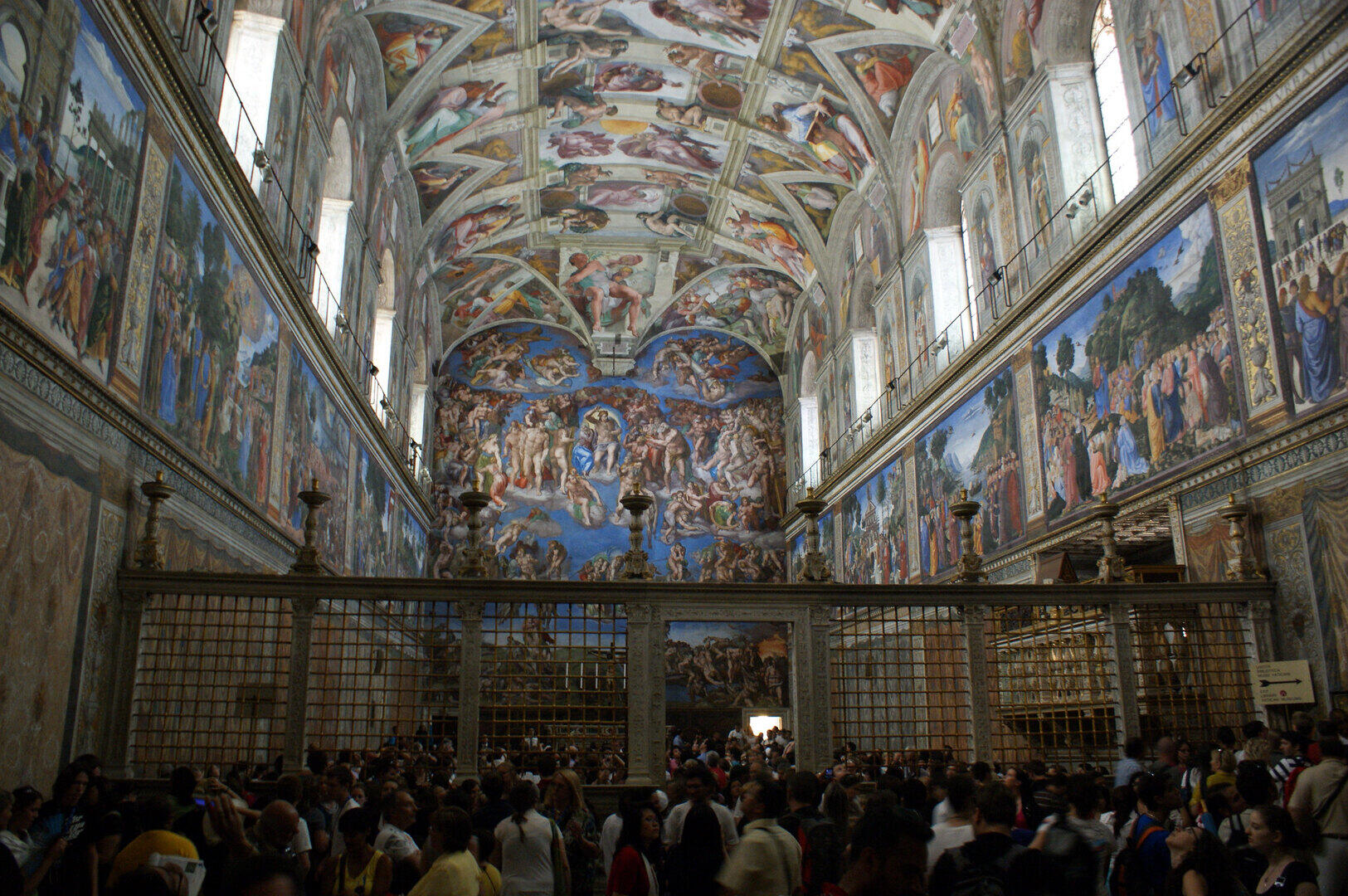
The Sistine Chapel is not only an art monument but also a functioning ceremonial space. During a conclave, cardinals gather under Michelangelo's frescoes to vote in strict isolation until a new pope is chosen.
Temporary seating, voting tables, and ritual arrangements transform the chapel while preserving its sacred decor. Every stage follows established liturgical and legal rules designed to safeguard the process.
The smoke signals from the Vatican communicate outcome to the world: black for no election, white for successful election, making the chapel central to a globally watched moment.
Explore other highlights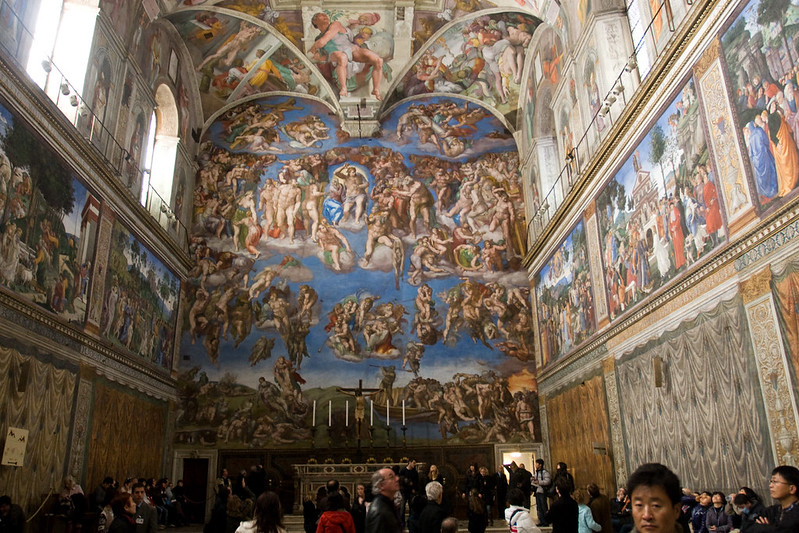
Cardinals are secluded during voting to protect confidentiality and independence.
Votes are cast, counted, and burned under carefully prescribed procedures.
Smoke color from the Vatican chimney communicates the voting result publicly.
Modern conclaves preserve centuries-old tradition while using updated logistical systems.
Cardinals swear confidentiality and commitment before voting begins.
Election requires a supermajority, reinforcing broad consensus in selection.
The Last Judgment behind the altar adds symbolic weight to every ballot.
When white smoke appears, St. Peter's Square becomes the center of world attention.
